
Information about the Philippines
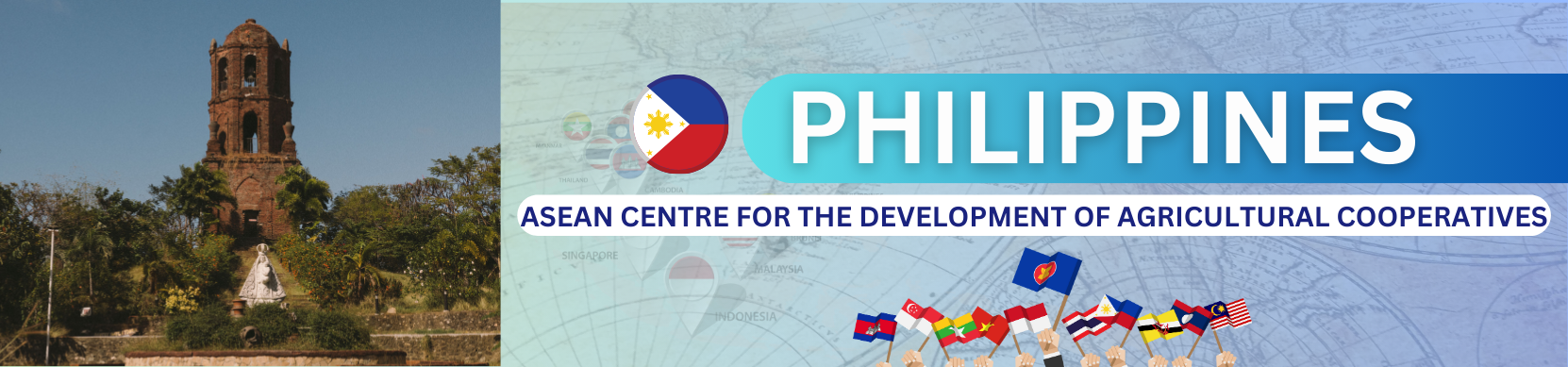

Welcome to the Philippines!

GENERAL INFORMATION
Languages
There are two official languages in the Philippines—Filipino and English. Filipino which is based on Tagalog, is the national language. English is also widely used and is the medium of instruction in higher education. There are also eight (8) major languages spoken by majority of the Filipinos: Tagalog, Cebuano, Ilocano, Hiligaynon or Ilonggo, Bicol, Waray, Kapampangan, and Pangasinense.
Filipino is the native language which is used nationally as the language of communication among ethnic groups. Like any living language, Filipino is in a process of development through loans from Philippine languages and non-native languages for various situations, among speakers of different social backgrounds, and for topics for conversation and scholarly discourse.
Climate
The first half of the year, from January to May, is the best time to visit the country. November to February is cool, while March to May is hot and dry. June to October is rainy, with the months between July and September characterized by typhoons. Average temperature is 78 degrees F/25 degrees C; average humidity is 77%. Some parts of the country such as Cebu, are warm and comfortable in all seasons and can be visited throughout the year.
For up-to-date weather information, visit the Philippine Atmospheric, Geophysical and Astronomical Services Administration (PAGASA).
Click here to read more information about the Philippines. (Department of Tourism)
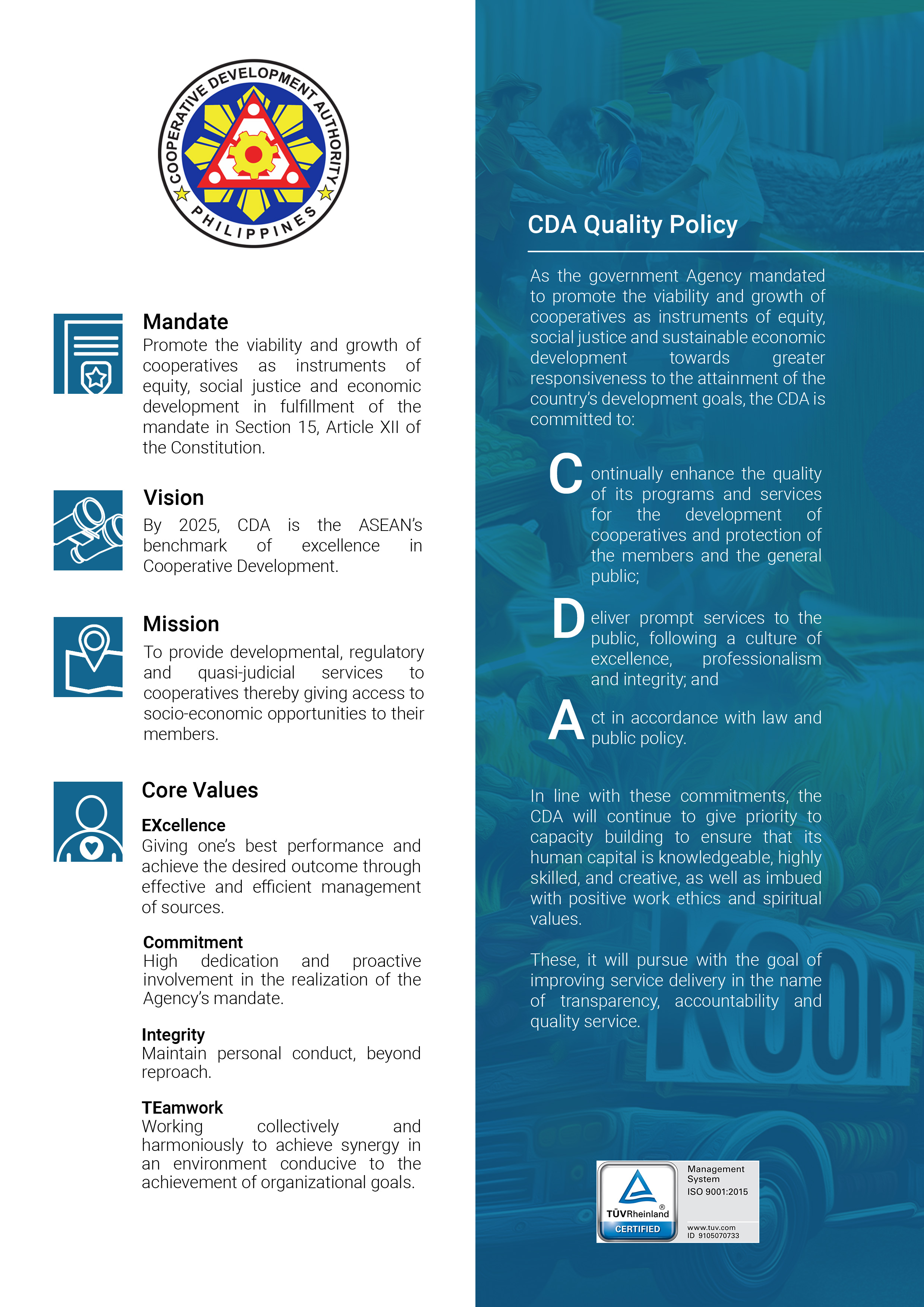
ABOUT THE COOPERATIVE DEVELOPMENT AUTHORITY
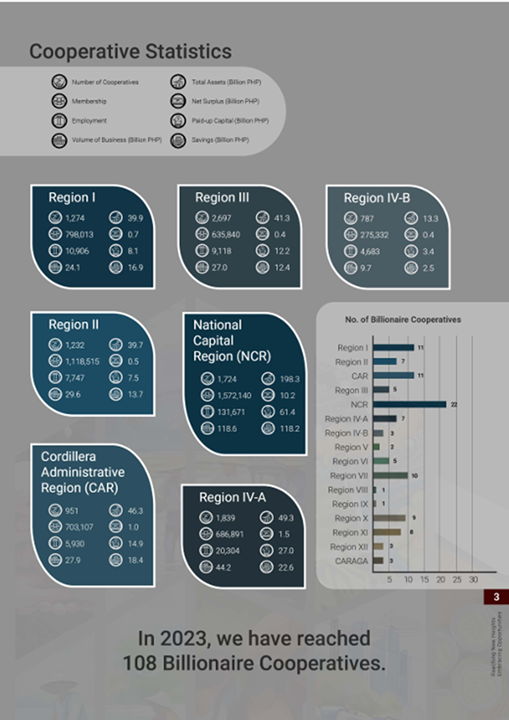
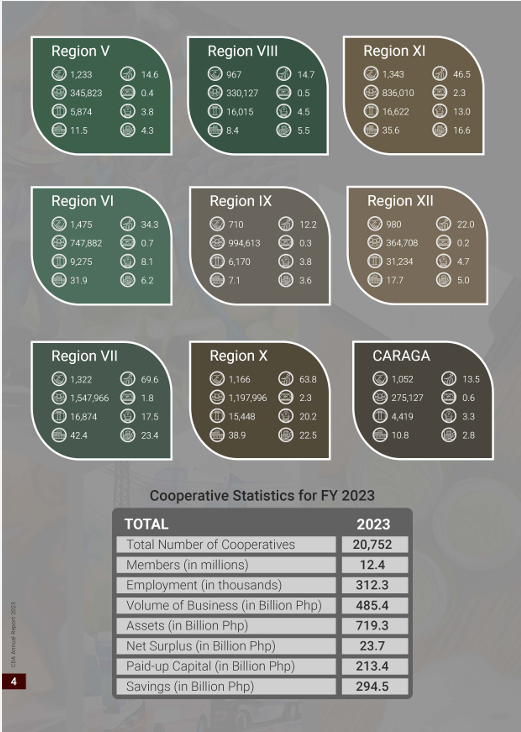
PHILIPPINE COOPERATIVE STATISTICS
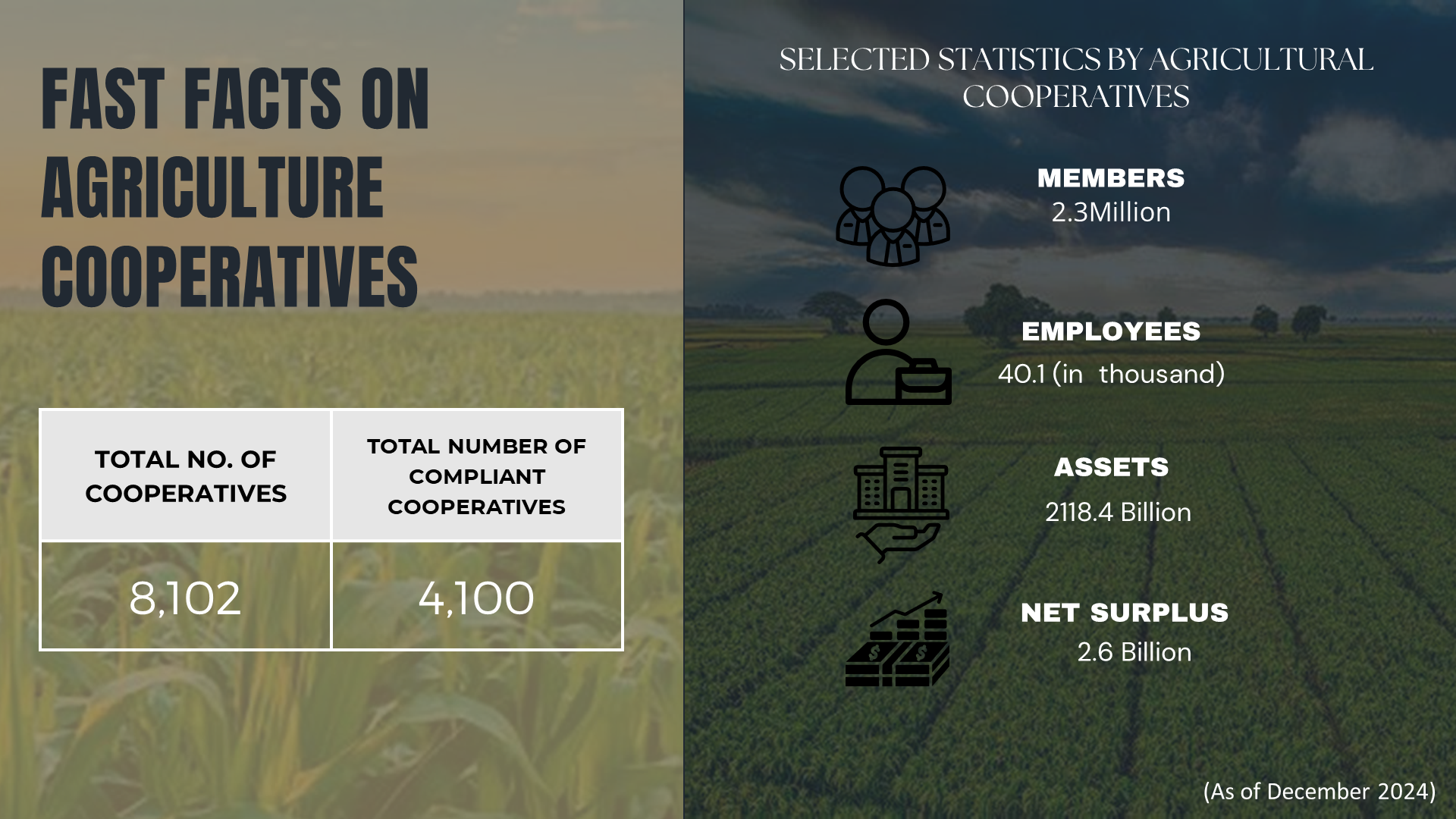
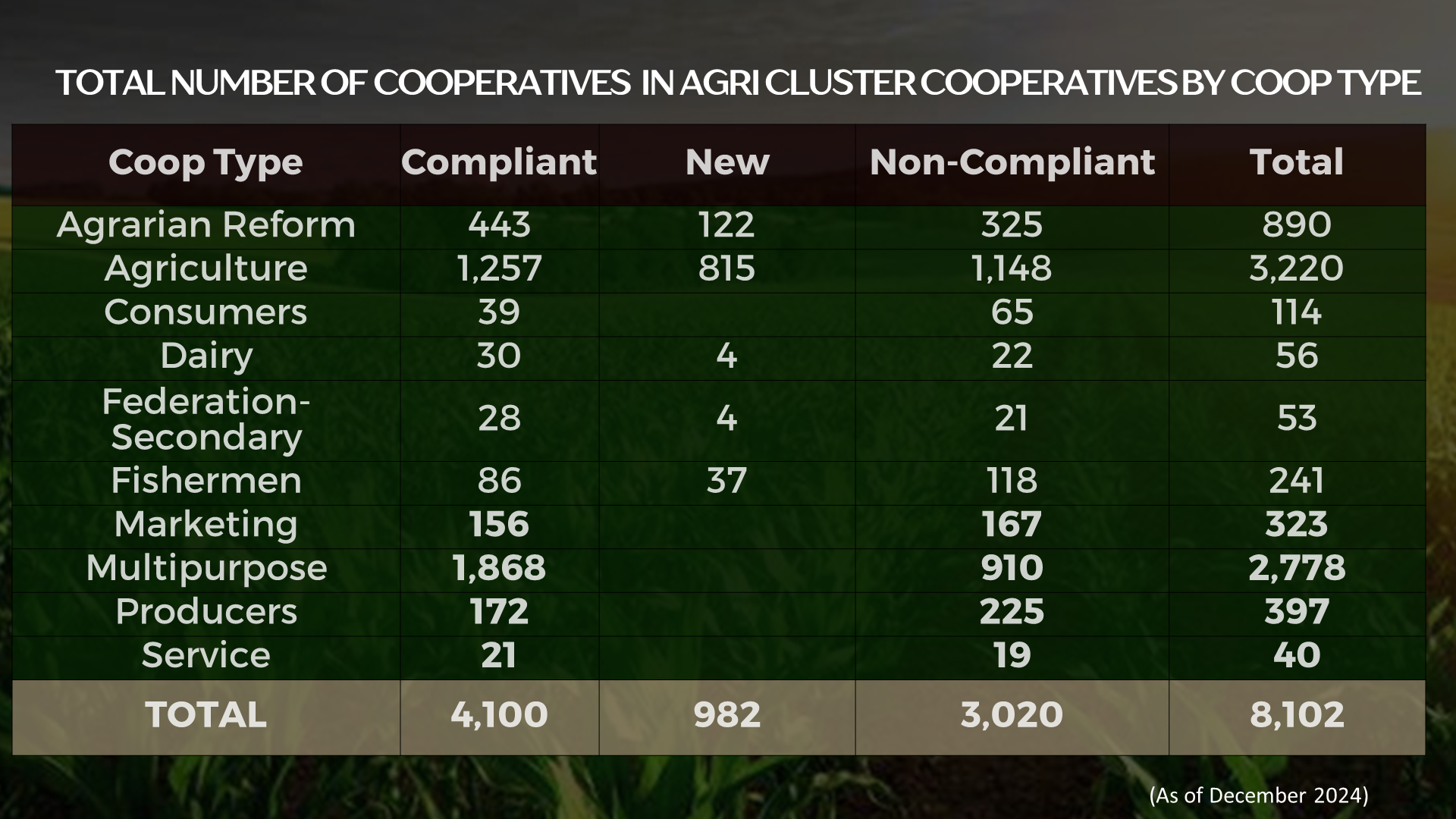
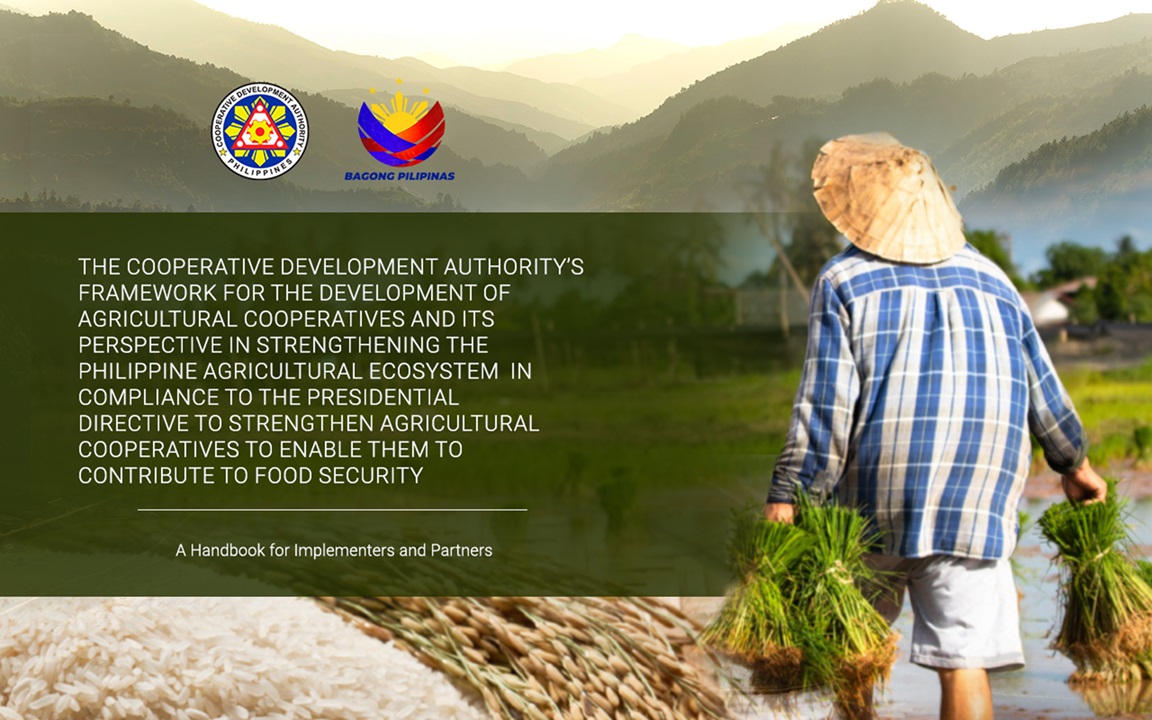
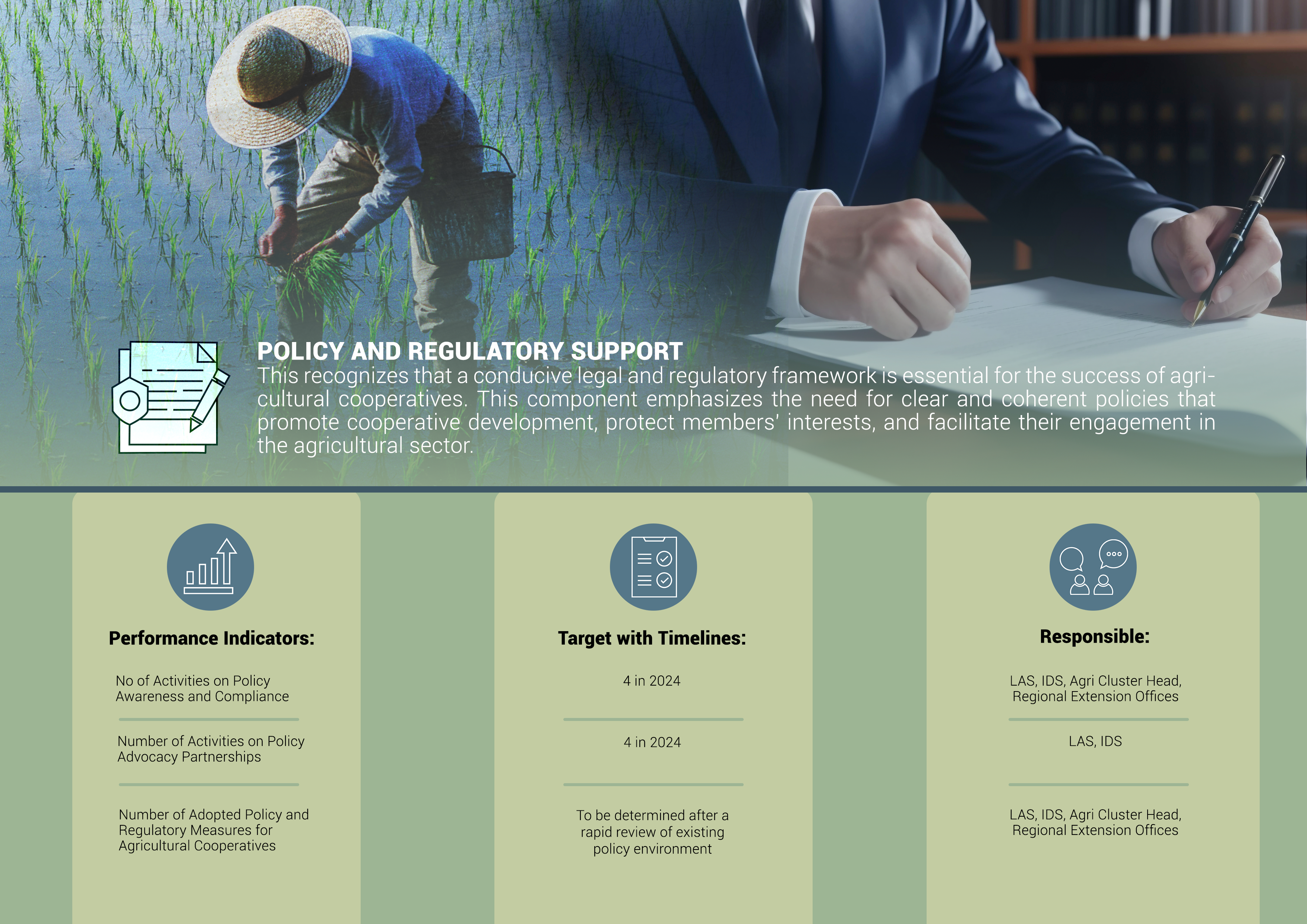
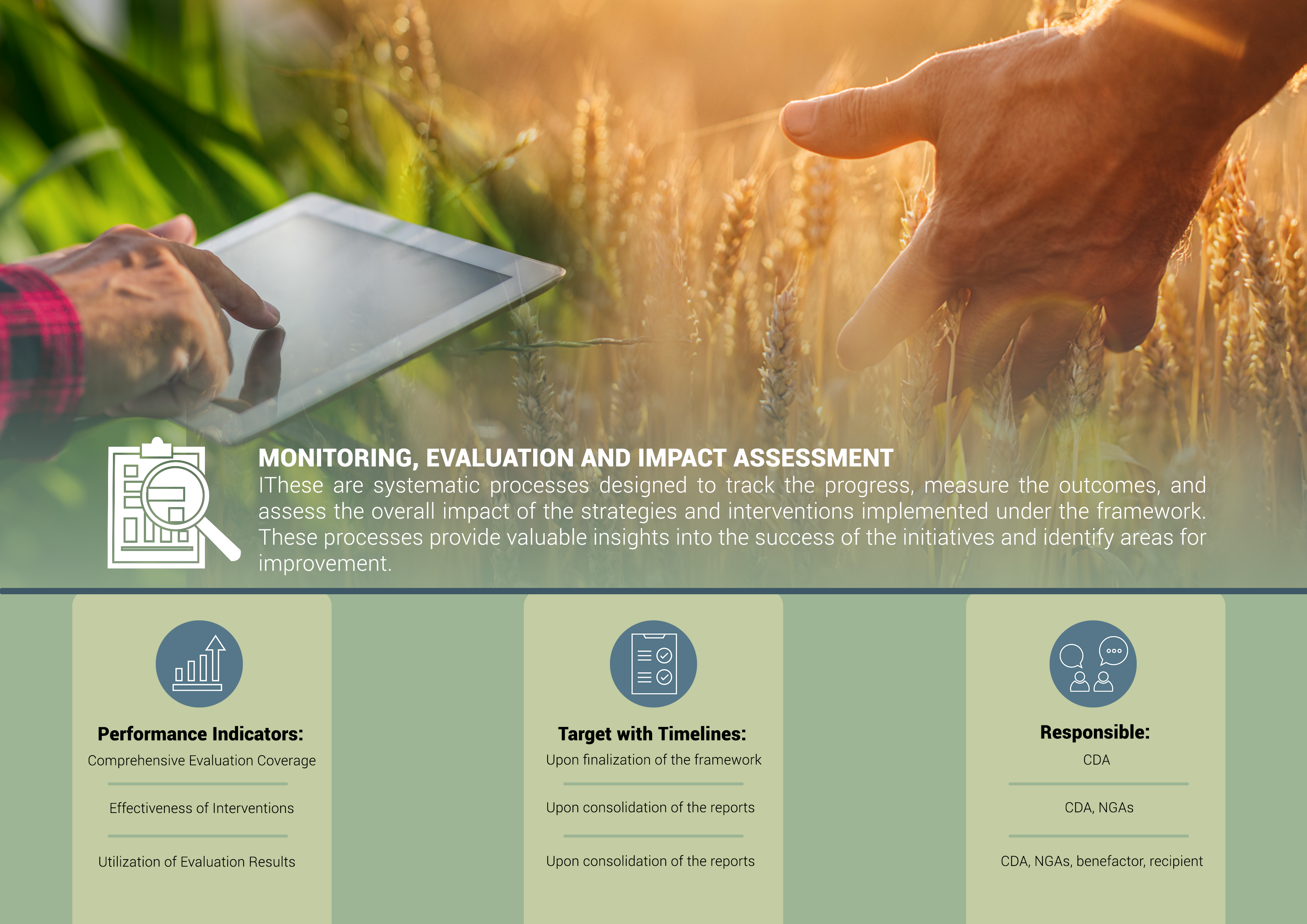
PHILIPPINE AGRICULTURAL COOPERATIVES ECOSYSTEM
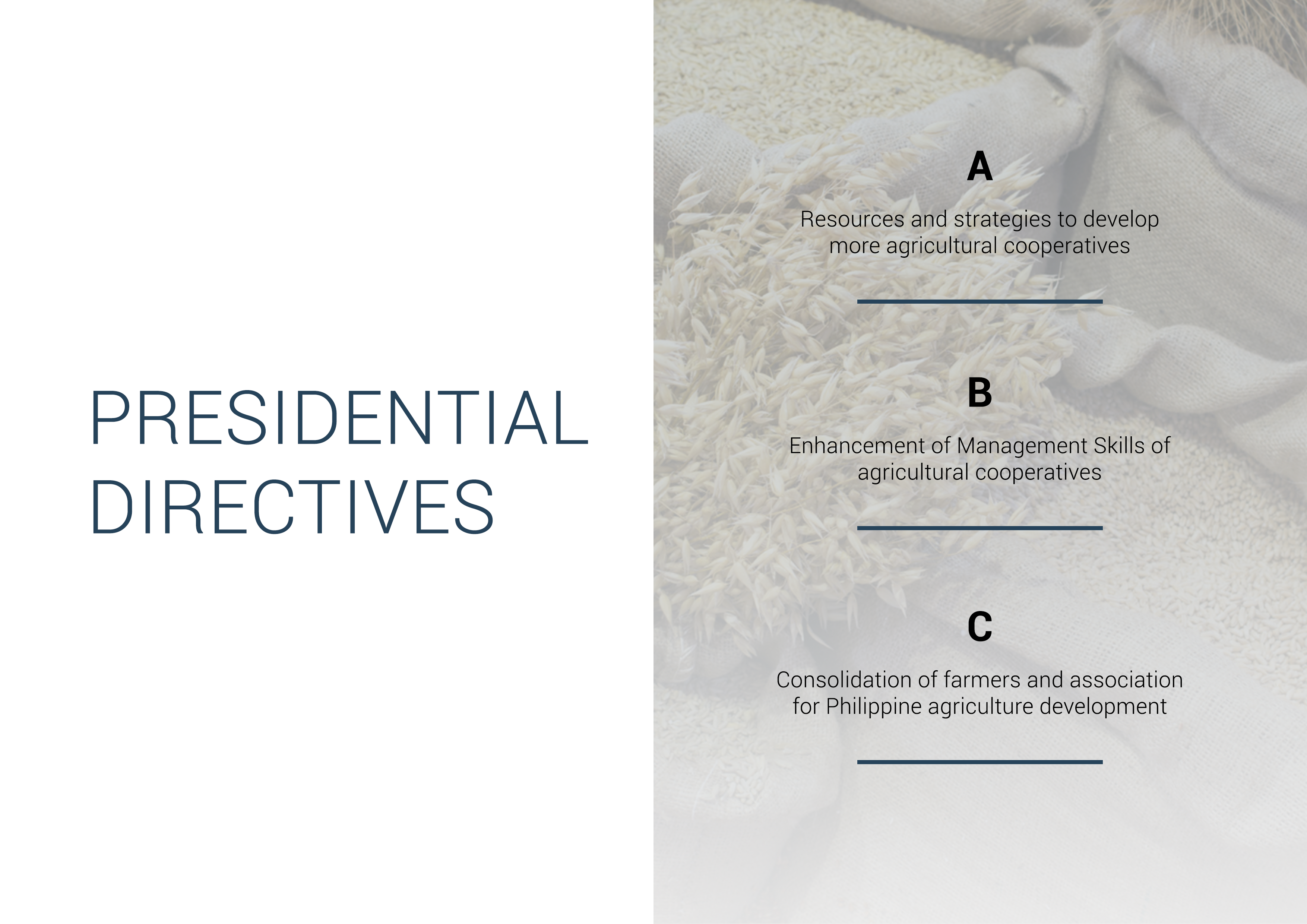

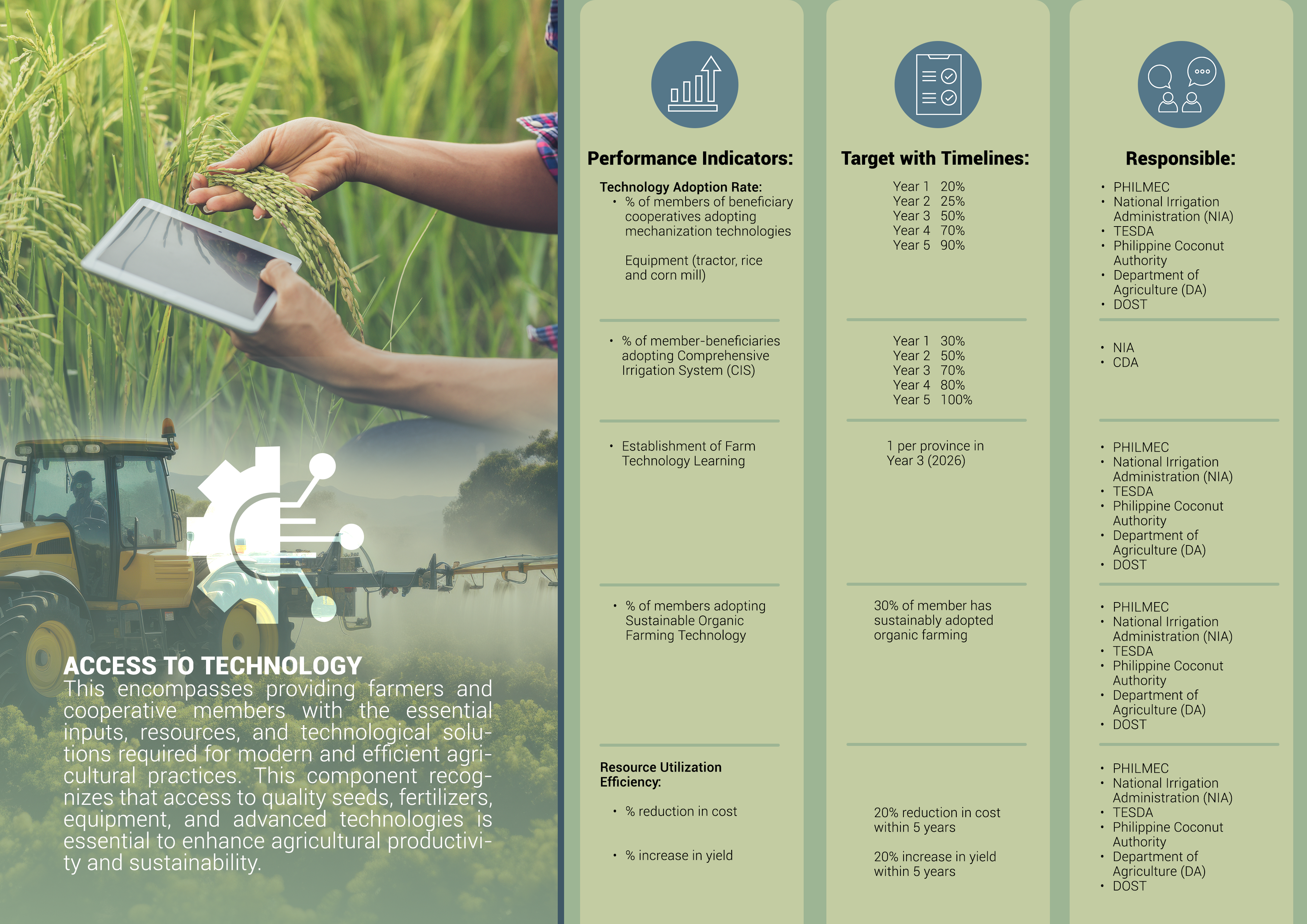
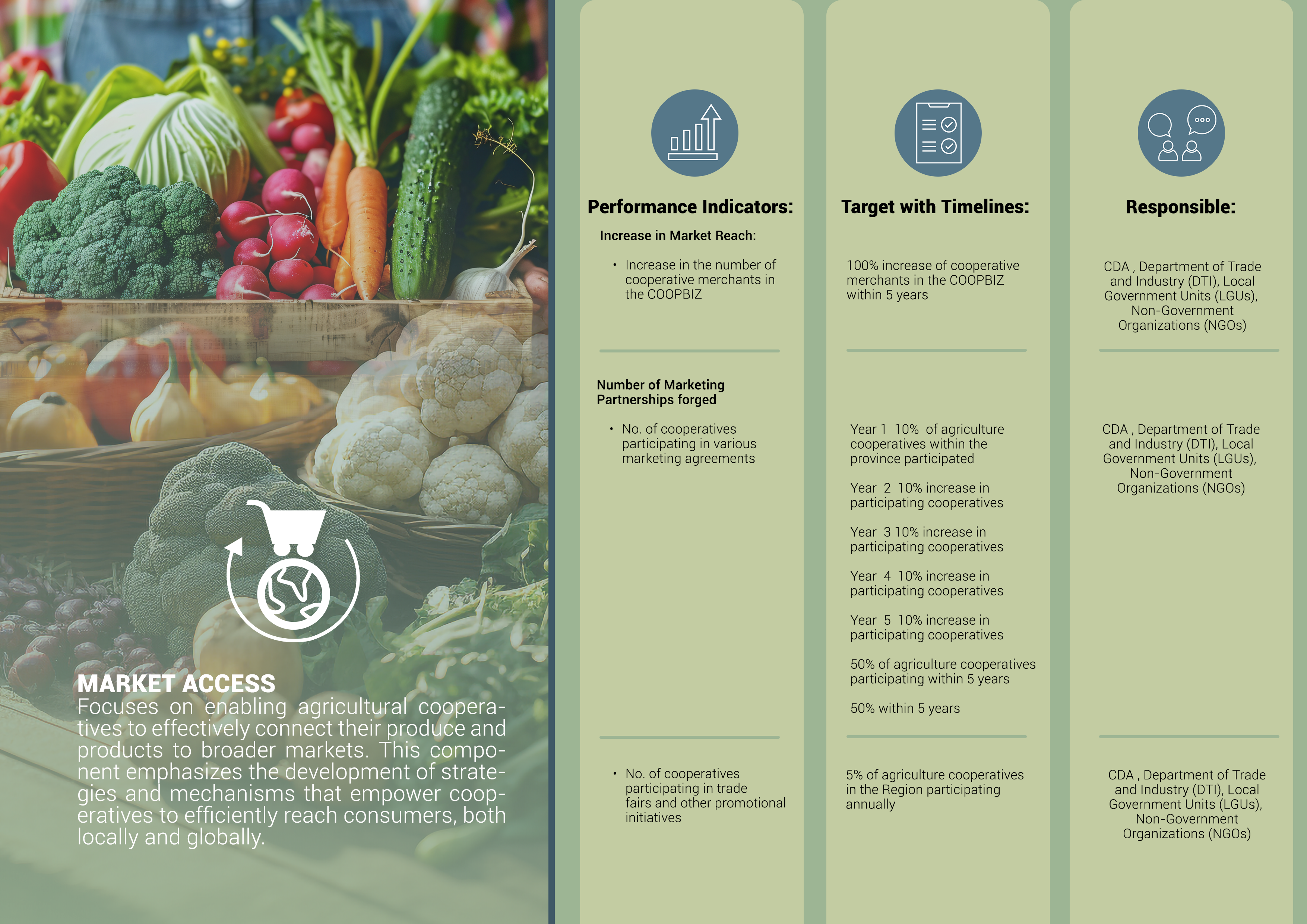
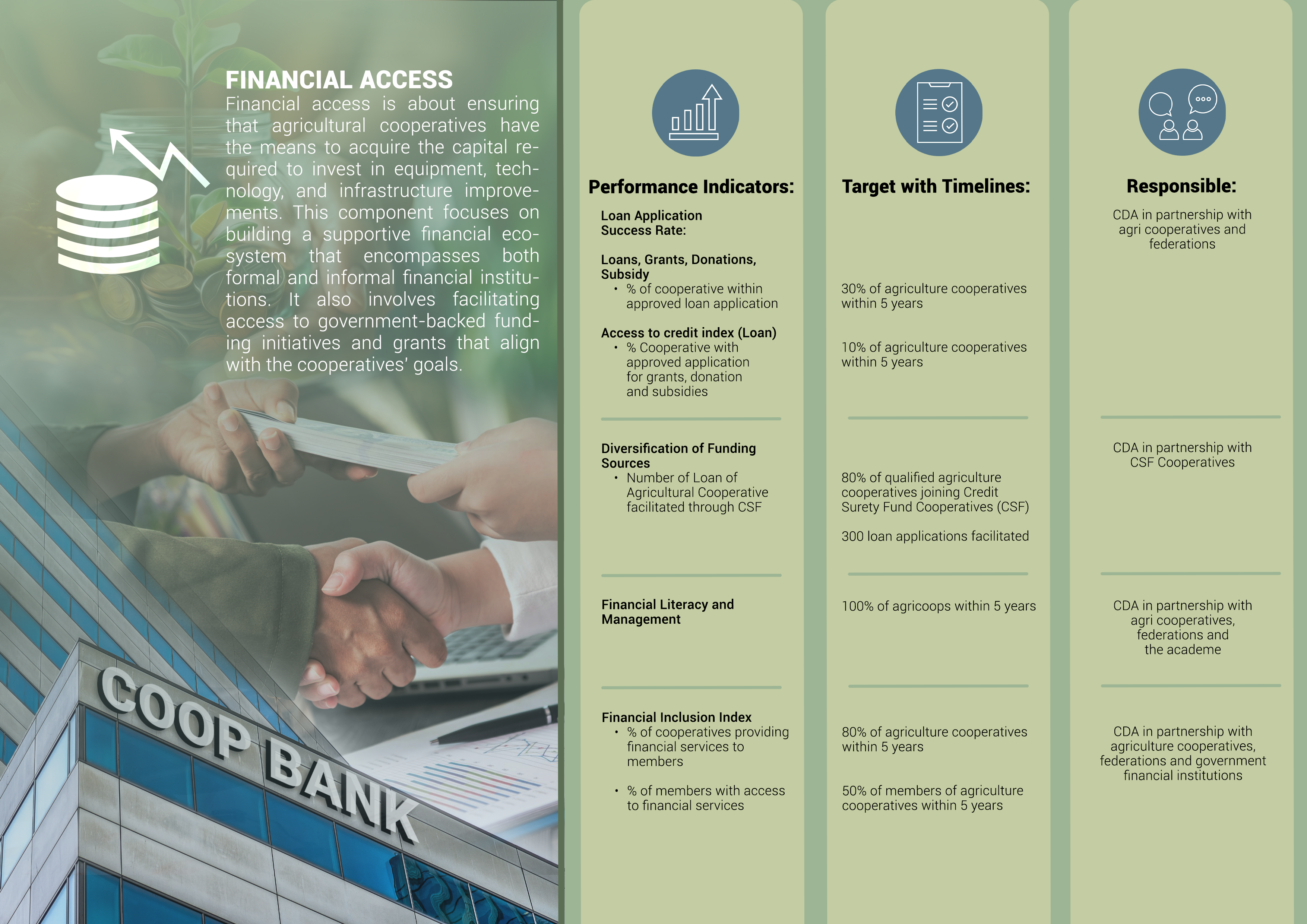
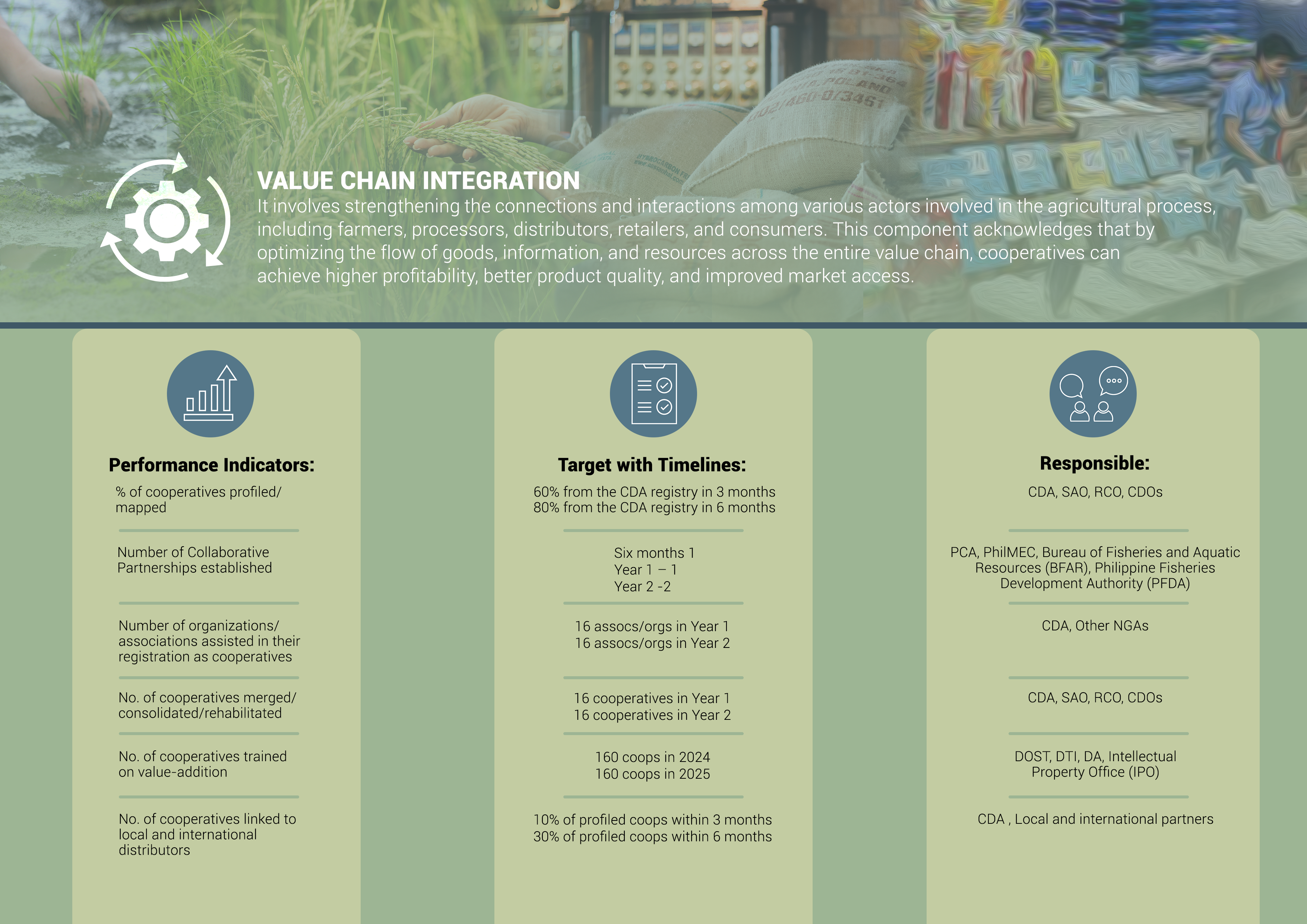
OTHER COOPERATIVE DEVELOPMENT PROGRAMS
CO-OP BIZ
CDA Global or Co-opBiz is one of the CDA’s instituted reforms and innovations to assist the cooperatives in marketing their products and services through the enhancement of Cooperative Business Matching Information (CBMIS). The enhanced CBMIS now integrates the concept of international market opportunities for cooperatives, now called the CDA GLOBAL PROJECT.
To view cooperative products, please click on the Co-op Biz logo below.

ORGANIZATION, DEVELOPMENT AND EMPOWERMENT OF COCONUT FARMERS ORGANIZATIONS (RA 11524)
Republic Act 11524 known as the Coconut Farmers and Industry Trust Fund (CFITF) Act, was signed into law by President Rodrigo Roa Duterte on February 26, 2021 creating the Coconut Farmers and Industry Trust Fund and declaring as the policy of the state to consolidate the benefits due to coconut farmers, particularly the poor and marginalized, to attain increased incomes for coconut farmers, alleviate poverty, and achieve social equity.
In the implementation of said program, the Cooperative Development Authority (CDA) and the Local Government Units (LGUs) was given the mandate to organize and empower coconut farmer organizations. The law provides that five percent (5%) of the annual budget allocation from the Trust Fund shall be utilized by the CDA for the farmers’ cooperatives and for coconut farmers’ organizations.
PROGRAM OBJECTIVES
a. Assist in increasing the productivity and income of coconut farmers cooperatives and its members through providing livelihood opportunities and integrate supply and value chain process in their business operation;
b. Enhance the entrepreneurial skills, managerial expertise, and technical skills required for the efficient operation of their cooperatives;
c. Develop competent and responsive members of the cooperative and instill patriotism in every heart of the farmers to synergize in the mandate of the CDA implying that their productivity to uplift the standards of their cooperative is mandated to sustain its overall integrity;
d. Upgrade technical skills of the coconut farmers on coconut production and processing;
e. Encourage and assist coconut farmers groups/organizations to organize into cooperatives; and
f. Assist in marketing their produce through online market platforms and digital technologies.
To know more about the accomplishments and pipeline programs of the Coconut Farmers and Industry Development Plan, click on the CFIDP logo below.

INFORMATION MATERIALS

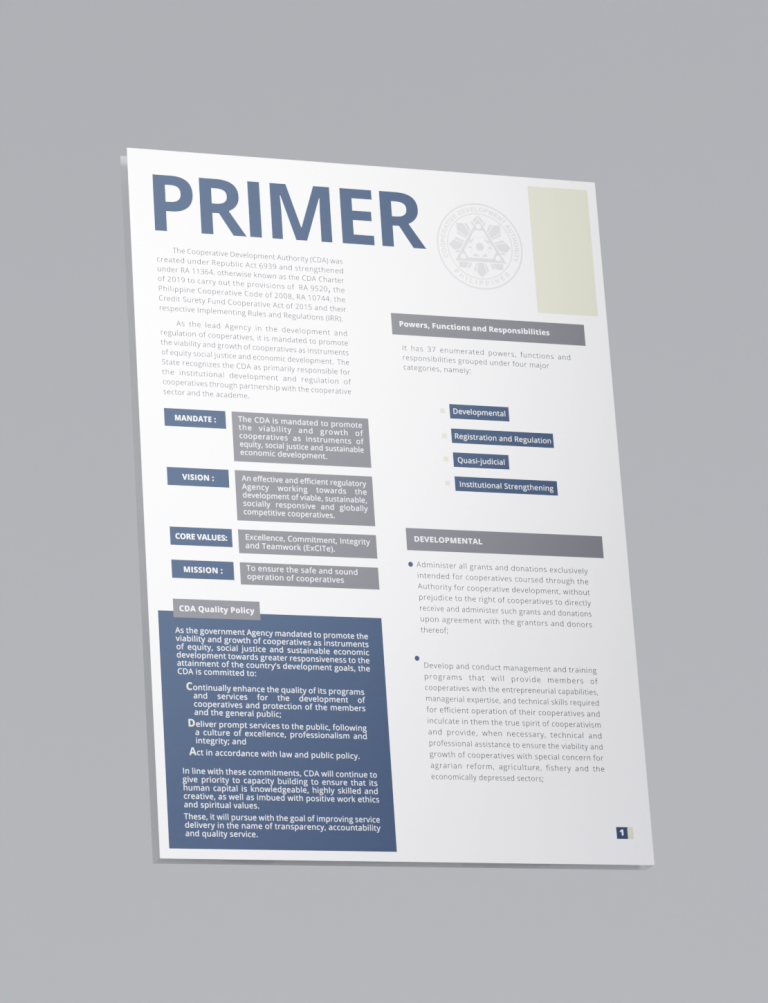
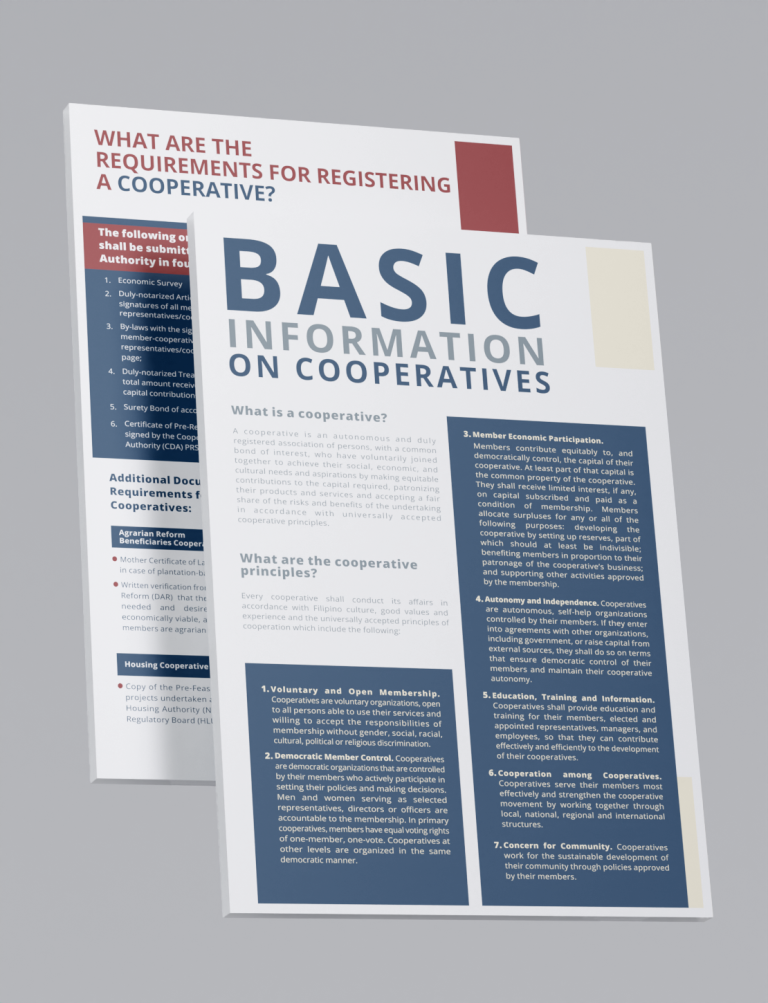
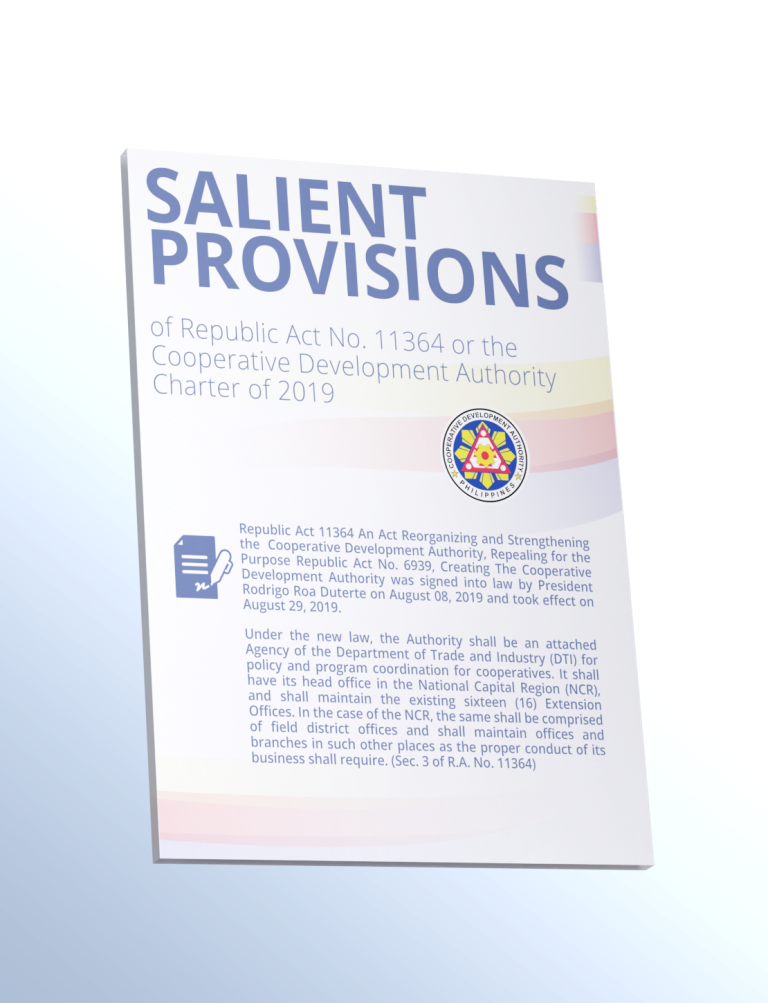
To learn more about the activities of the Cooperative Development Authority,
you may visit the CDA YouTube Channel by clicking below.

For more information about the Cooperative Development Authority, you may visit our official website at https://cda.gov.ph/